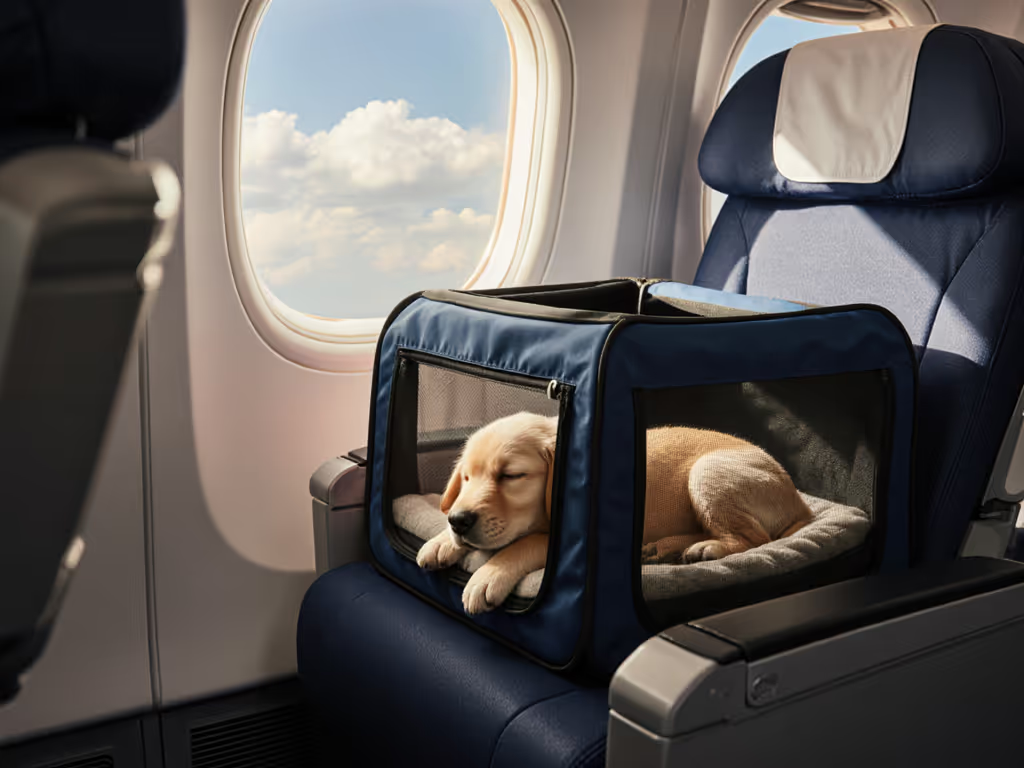
Separation Anxiety Pet Carriers: Proven Travel Comfort Picks
11th Feb•7 min read
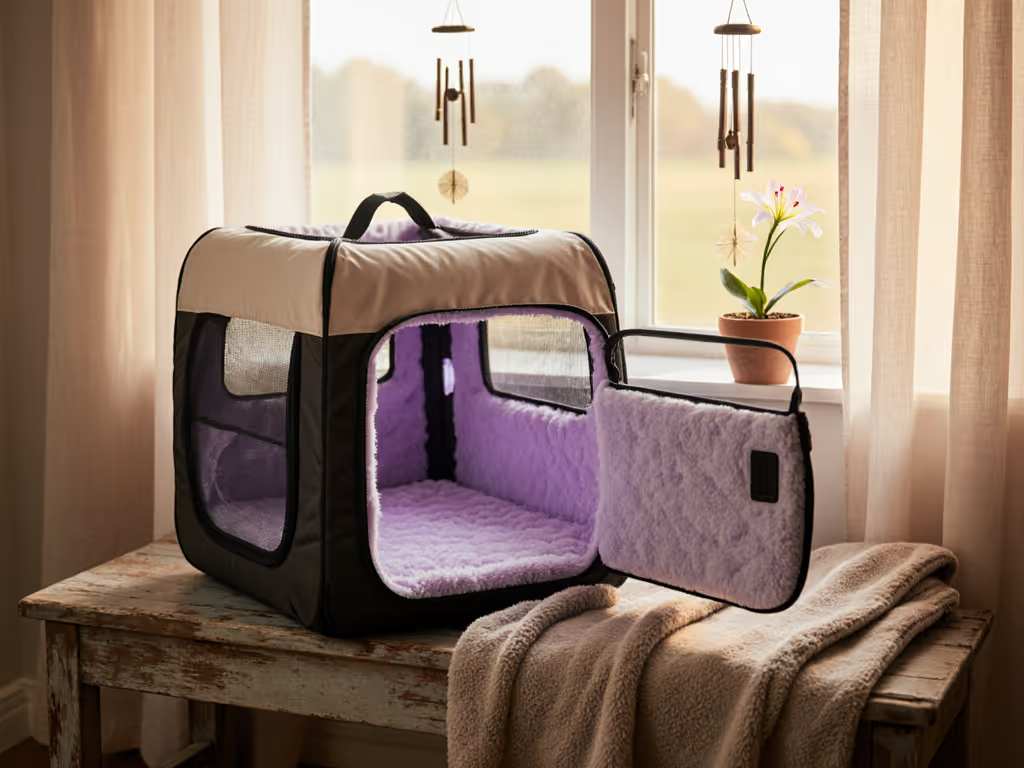
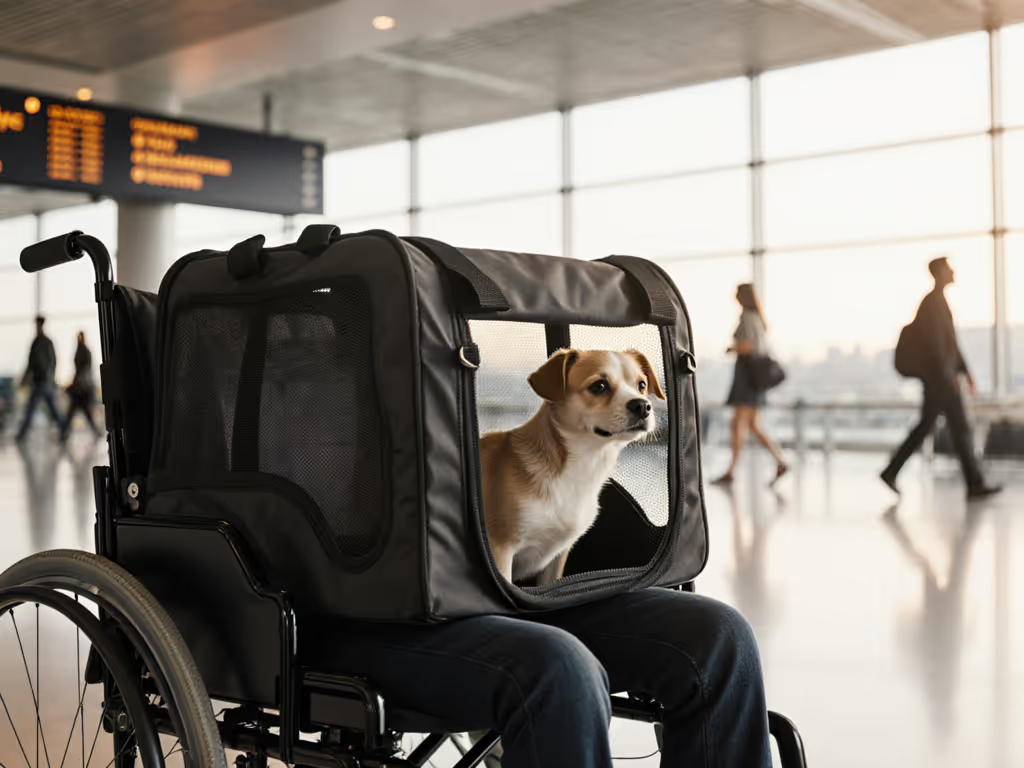
When your beloved companion enters hospice care, every journey matters, especially those final, tender moments. A well-chosen pet hospice carrier can transform end-of-life pet transport from a source of distress into a peaceful passage. Unlike standard travel containers, these specialized carriers address the unique needs of palliative care patients through thoughtful design and preparation. As I've learned through years of behavior-focused coaching, the right approach doesn't force compliance; it nurtures safety and comfort. Calm begins long before you zip the door.
Most pet carriers prioritize convenience over comfort, creating unnecessary stress during palliative care pet transport. For a pet already navigating pain or anxiety, the sensory assault of a standard carrier can be overwhelming:
I once worked with a shepherd who would pancake at the mere sight of her soft carrier (her instinct to flee from any perceived enclosure had become overwhelming). What seemed like stubbornness was actually her nervous system signaling danger. This experience taught me that for hospice patients, the carrier isn't just transportation; it's potentially their final den, their sanctuary during transition.
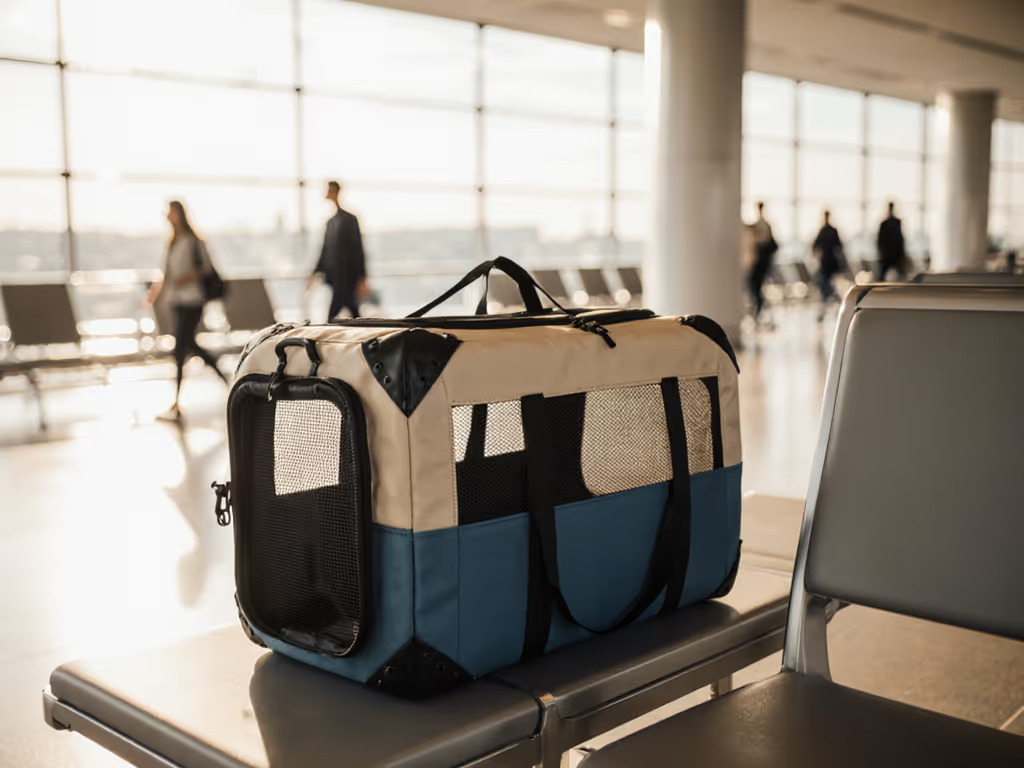
A hospice-optimized carrier approaches hospice pet travel through the lens of sensory support rather than containment. When evaluating gentle pet carrier features, prioritize these elements:
Most importantly, reject the "one-size-fits-all" approach. Match the carrier to the nervous system needs, whether your companion is noise-sensitive, visually overwhelmed, or requires specific positioning for comfort. For design features that reduce light, noise, and visual overwhelm, see our sensory-friendly carrier guide. A carrier that accommodates sphinx posture for arthritic cats or belly support for weakened dogs transforms from a container to a comfort zone.
The goal isn't compliance; it's creating a mobile refuge that respects your pet's remaining capacity for peace.
Introducing a travel pet carrier to a hospice patient requires patience tailored to their remaining time. If you have a bit more time, our carrier introduction guide outlines gentle desensitization steps you can adapt for hospice care. Standard acclimation protocols don't apply when every moment counts. Instead, follow this modified timeline based on your pet's current vitality:
For pets with days to weeks remaining:
For pets with hours to days remaining:
The shepherd I mentioned didn't walk into her carrier until we detached the base entirely and built micro-sessions around mealtime. Within days, what had triggered panic became her predictable den, a transformation that honored her remaining time with dignity.
During actual end-of-life pet transport, your approach matters as much as the carrier itself. Implement these gentle directives to maintain calm:
If your pet shows signs of distress during transport, pull over safely and remove the privacy panel, sometimes reducing visual input helps more than increasing it. For pets experiencing respiratory challenges, elevate the carrier's front end slightly to support easier breathing.
Your next step isn't about finding the "perfect" carrier; it's about creating a transportation experience aligned with your companion's remaining comfort. Begin today with this simple action:
With these observations, you can evaluate whether your current carrier (or one you might acquire) truly supports their needs. Contact your veterinary hospice provider to discuss your transport plan; they can often recommend features that complement your pet's specific medical requirements.
The most profound gift we can offer our companions during their final journeys is the gift of peace. When we prioritize lowering arousal rather than enforcing containment, we transform necessary travel into a gentle passage. Your thoughtful preparation now will become a cherished memory later, a testament to how deeply you honored their comfort until the very end.
Remember: the journey matters as much as the destination. By choosing pet hospice carrier solutions that respect nervous system needs, you're not just transporting a body; you're safeguarding a spirit during its final transition.