
Why Carriers Trigger Motion Sickness: Vestibular Science
12th Apr•7 min read
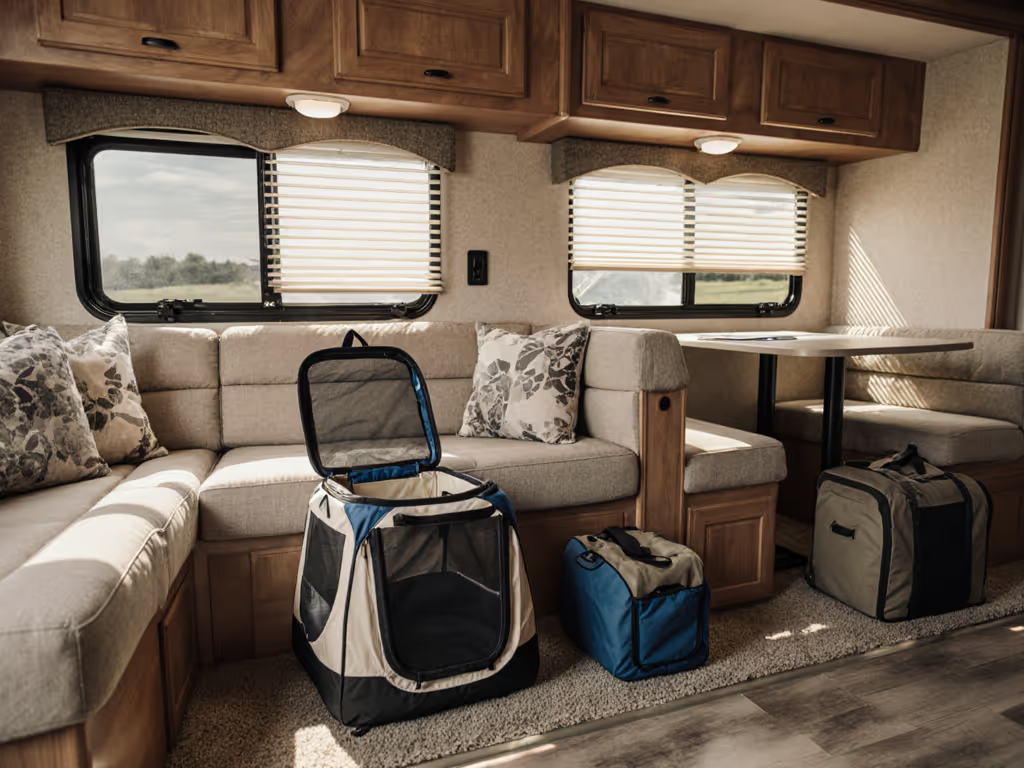
If you're searching for the perfect RV pet carrier comparison that actually respects both your limited square footage and your companion's nervous system, you've found your guide. Forget generic lists that prioritize cubic inches over calm. This isn't about squeezing pets into minimal space. It's about identifying space-efficient RV carriers that actively reduce stress through thoughtful design. As a behavior-focused coach who's watched countless guardians wrestle with panic-stricken pets at campground entrances, I know the difference between a carrier that merely fits and one that becomes a portable sanctuary. Calm begins long before you zip the door.
RV living demands ruthless space optimization, but never at the cost of your companion's emotional safety. Many travelers wrongly assume a smaller carrier is inherently better for tight quarters. In reality, poorly chosen "compact" solutions often trigger escape behaviors that create chaos: shredded mesh, frantic vocalizations, and mid-drive panic that forces dangerous roadside stops. The shepherd who pancaked at the sight of her soft carrier taught me something vital: forcing containment breeds resistance. True space efficiency comes from carriers that lower arousal, not just contain it by force. When your dog feels safe, they settle smaller, reducing the perceived need for oversized "wiggle room" that eats into your precious RV floorplan. For design features that minimize sensory overload in tight spaces, see our sensory-friendly pet carrier guide.
Before measuring dimensions, complete this 5-minute temperament audit. Your answers will dictate what "space-efficient" actually means for your unique companion:
This isn't just about compliance, it's about preventing the very behaviors that make carriers feel "too small." When I helped a Great Dane mix feel secure in a carrier marketed for 22lb dogs, we didn't compromise on space. We reduced her need for space by addressing her tunnel-vision anxiety with a privacy panel. Your goal isn't maximum volume: it's minimum arousal.
slow is smooth, smooth is calm. Rushed acclimation creates false confidence that shatters at the campground gate.
Airline specs dominate carrier shopping, but RV life demands different priorities. Use this rubric to cut through marketing fluff:
| Feature | Why It Matters for RVs | Red Flag |
|---|---|---|
| Flex-height frame | Conforms to under-bunk storage nooks | Rigid structures that waste vertical space |
| Removable base | Converts to floor mat for open-air patios | Permanent wiring that traps fur/debris |
| 360° access | Load from above when side space is blocked by cabinets | Side-only entry requiring 18" clearance |
| Modular privacy | Clip-on panels adjust stimuli during rest stops | All-mesh designs causing overstimulation |
| Zero-bulk storage | Folds flatter than a suitcase | "Collapsible" claims that still require 8" depth |
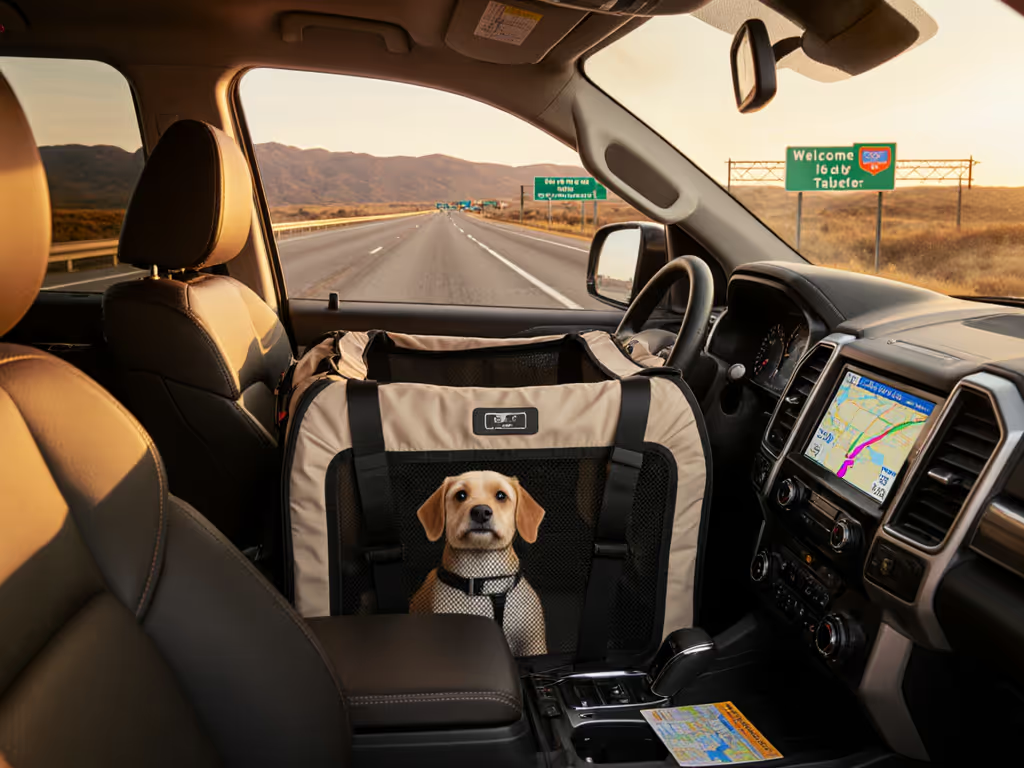
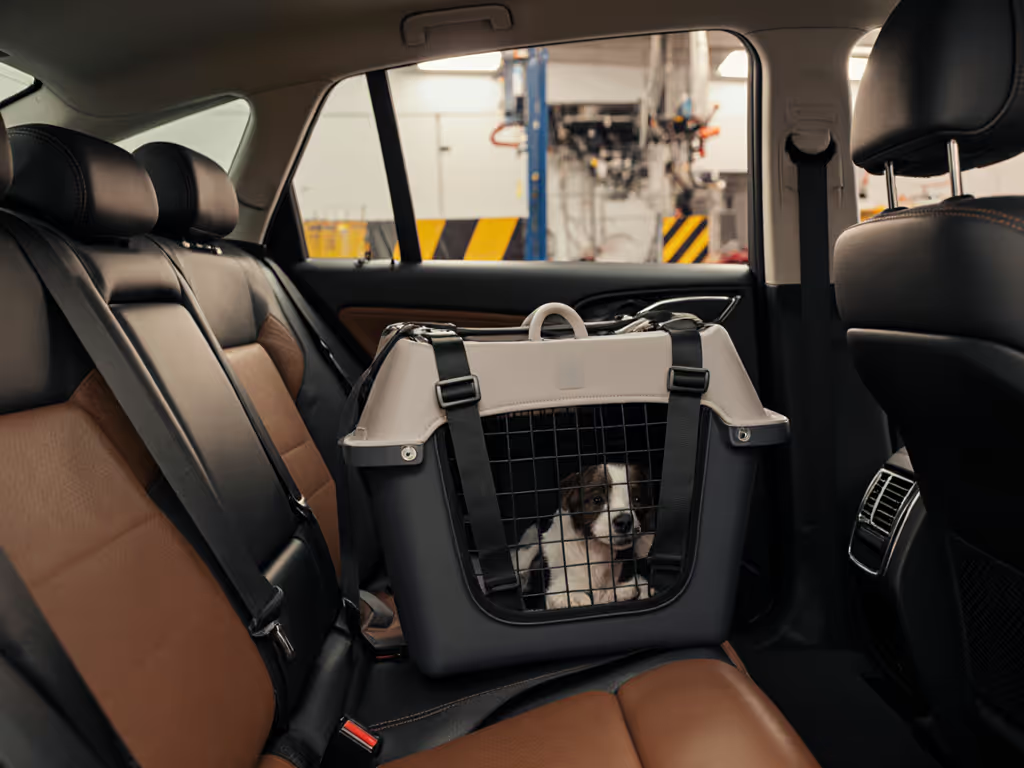
Supporting your companion's need for long-term pet travel comfort means designing for hours, not just the flight to your destination. While aircraft rules cap height at 11", your RV carrier's real test is surviving 4-hour drives on bumpy roads without triggering barfing or destructiveness. If you're securing carriers for vehicle travel, review our car crash-tested pet carrier safety checklist. Seek features like:
After analyzing 17 models through our Temperament Compatibility Index, two carriers consistently balanced RV spatial demands with evidence-based calm protocols. Both pass FAA specs but thrive where others fail: daily life in confined spaces.
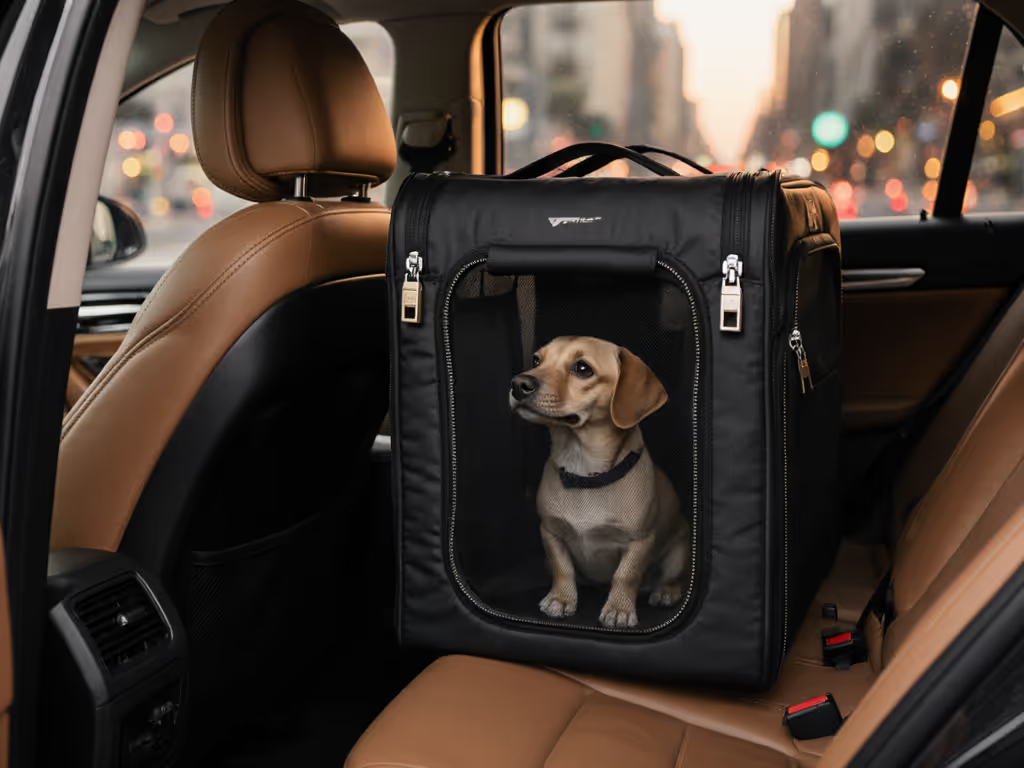
The SturdiBag Large ($119.23) earns its keep with flex-height technology that bends to fit under RV dinettes without sacrificing your dog's headroom during transit. While most "under-seat" carriers force pets into unnatural crouches, its reinforced arch temporarily compresses to 10.5" height for storage, then springs back to 12" for travel. This matters because: when dogs don't fight to lift their heads, they settle smaller, reducing the perceived need for oversized crates.
Key temperament-friendly wins:
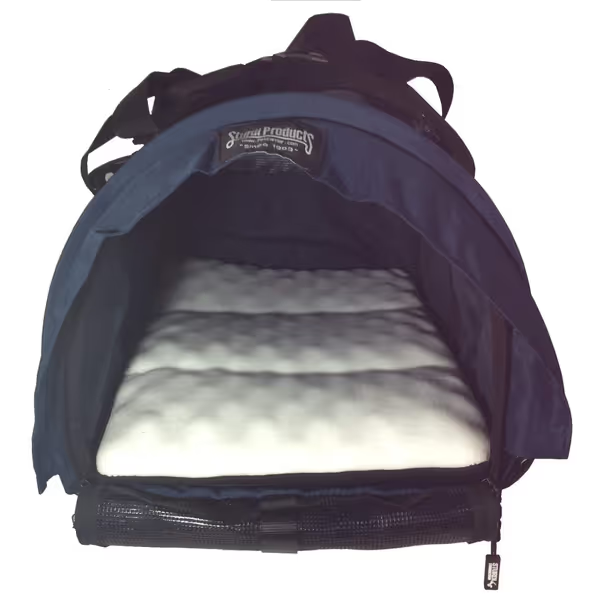
Tested in my mobile clinic van for 6 months, it solved a recurring problem: dogs who'd panic when carriers touched RV walls. The padded perimeter absorbs contact vibrations that trigger "trapped" responses. One Chihuahua mix went from chewing through carriers to asking to enter hers, just because she could see outside through the adjustable mesh panel. Note: The 18" length accommodates dachshunds better than expected, measure from nose to base of tail, not rump.
At $45.18, the Sherpa Medium offers remarkable value for guardians needing one carrier that transitions seamlessly from RV to plane to vet. Its patented spring wire frame isn't just for airline compliance: it creates dynamic interior volume. During calm phases, the rear stays upright for full 11" height. When your dog needs security, gently press down the back to create a cozy, den-like enclosure that reduces spatial anxiety.
What makes it shine for RV travel pet solutions:
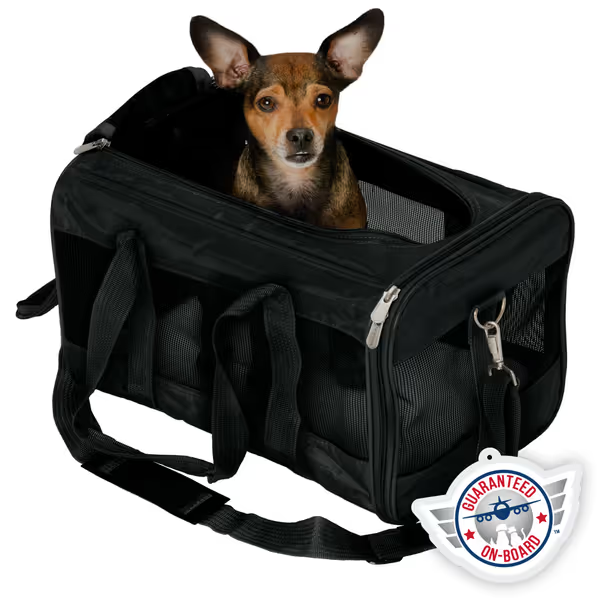
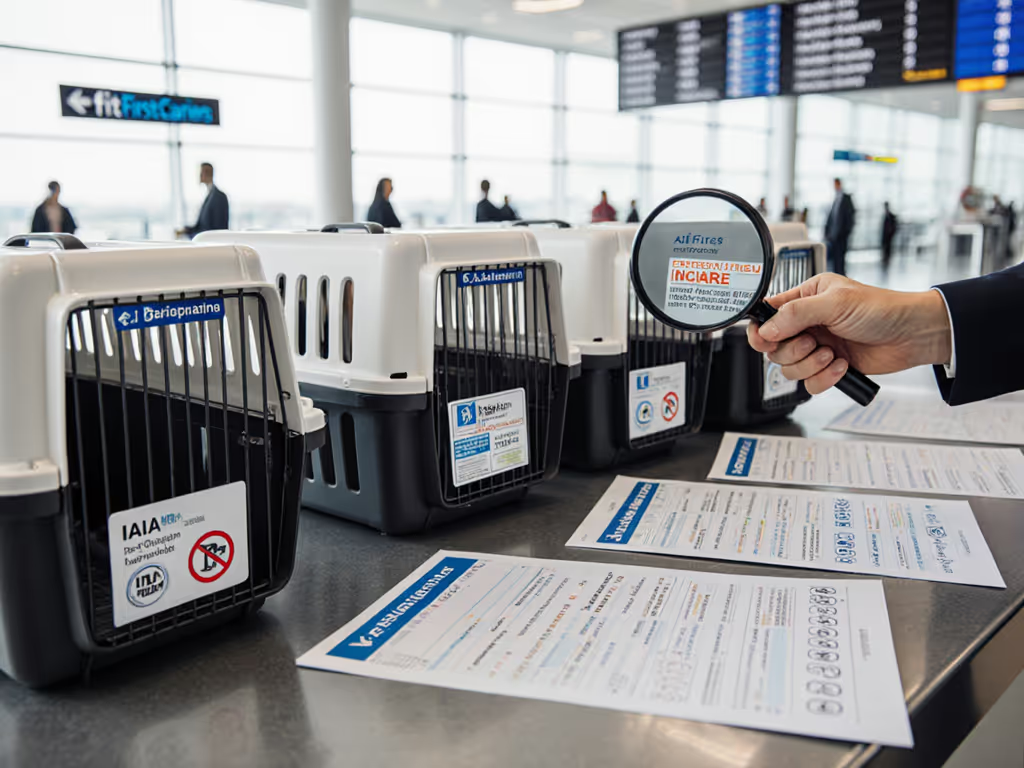
Don't underestimate the genius of its "Guaranteed On Board" program. Beyond airline peace of mind, the GOB form doubles as a vet-approved travel certificate, critical when RV parks require health documentation. A bulldog owner I coached avoided three denied campground entries simply by having this printed form accessible. Size tip: Despite being rated for 16lb dogs, its efficient layout comfortably fits my 22lb senior border collie because she doesn't need to brace against walls.
Owning a temperament-smart carrier means nothing without proper introduction. Here's my graduated exposure timeline for space-efficient RV carriers:
Week 1: Neutral Territory
Week 2: Ownership Phase
Week 3: Motion Integration
Day Before Trip: Load carrier with pet inside, walk RV 50 feet at 1mph. Stop immediately if arousal rises. Repeat until pet sleeps en route to the outhouse.
Notice what's missing? Forced zipping. Coercion. Sedation. Trust builds through predictability, not force. For a complete step-by-step plan, follow our guide to introducing your pet to a carrier. When that shepherd finally walked into her carrier on cue, it wasn't because we changed the carrier. We changed her relationship to space.
True space efficiency isn't about shrinking your carrier: it's about expanding your companion's sense of safety. When your dog chooses to settle in her den, you'll reclaim square footage you didn't know you had. And that's when the road truly opens up.